<div style="background:#f5f5f5; padding:10px; text-align:center; font-size:14px;"> [geoip_detect2_show_if country="CN"]🇨🇳 欢迎中国用户!我们支持微信/支付宝支付[/geoip_detect2_show_if] [geoip_detect2_show_if country="US"]🇺🇸 Hello US Shoppers! Free Shipping Available![/geoip_detect2_show_if] </div>

Nylon Fabric Explained: Origin, Properties, Performance & Applications


1、what is nylon fabric made of?
What Is Nylon Fabric?Nylon fabric is a textile made from polyamide (PA) fibers, known for its strength, flexibility, and long-lasting durability. Popular varieties such as Nylon 6 and Nylon 66 are widely used in fashion, sportswear, and functional clothing due to their superior performance and versatility.
2、Origin and Industry Development
Developed in the 20th-century synthetic fiber revolution, nylon became the first fully synthetic fiber used at scale. Through continuous technological innovation, nylon has evolved into modified and high-performance versions that support modern fashion and industrial applications worldwide.
3、Composition and Material Characteristics
In addition, manufacturers produce nylon fabric from polyamide resins derived from petrochemical monomers such as caprolactam and hexamethylene diamine. This chemical structure gives nylon fabric high tensile strength, elasticity, and abrasion resistance, making it a reliable material for performance-focused apparel manufacturing.
4、Core Performance Advantages
High strength & abrasion resistance
Lightweight with good elasticity
Wrinkle resistance & smooth hand feel
Functional upgrades such as waterproof, anti-static, antibacterial, and UV-resistant finishes
These characteristics make nylon an ideal fabric for both everyday wear and functional garments.
5、Nylon Compared with Other Fabrics
Compared with natural fibers like cotton or wool, nylon offers better durability and shape retention. Compared with polyester, nylon delivers superior elasticity and wear resistance, making it especially suitable for activewear and outdoor clothing.
6、Nylon Fabric Production Process
Moreover, apparel manufacturers follow a structured production process that includes polyamide synthesis, melt spinning, weaving or knitting, and finishing treatments. At Youhuo, production teams apply strict quality control standards to ensure fabric consistency, durability, and stable performance for global fashion brands.
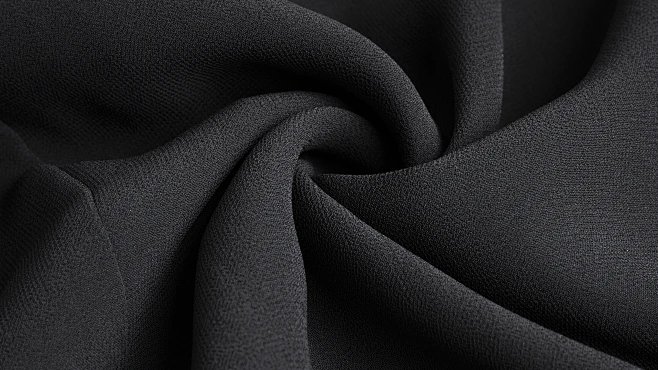
7、Applications in Fashion and Apparel
Nylon is widely used in:
Sportswear & outdoor apparel
Casual and functional fashion
Underwear and performance basics
Accessories such as bags and footwear
Greendimple, as a fashion-focused brand, integrates high-quality nylon fabrics into modern designs that balance comfort, durability, and contemporary style.
8、Sustainability and Future Trends
However the nylon industry is moving toward recycled and eco-friendly solutions, including regenerated nylon and certified sustainable systems. At Youhuo and Greendimple, sustainable material selection and responsible production practices are increasingly prioritized to meet global environmental standards.
9、Value and Cost Considerations
Nylon fabric pricing varies based on raw material quality, finishing technology, and functional performance. For brands and designers, nylon offers strong cost-performance value, especially in functional and long-lasting apparel.
10、Conclusion
Nylon fabric remains a core material in modern apparel manufacturing. With ongoing innovation and sustainable development, it continues to support fashion brands like Greendimple and professional manufacturers like Youhuo in creating high-quality, future-ready garments.