

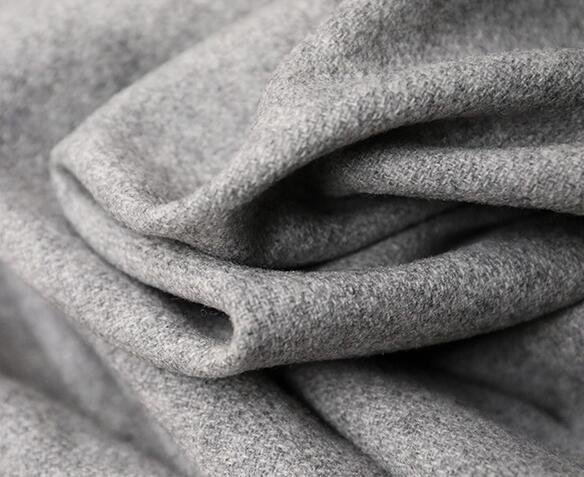
The softest fabrics in the world play an important role in how clothing feels on the skin. From everyday comfort to premium fashion, fabric softness influences wearability, quality, and overall experience. Understanding different soft fabrics helps you make better choices for modern apparel.
Softness is a crucial factor in the selection of clothing and bedding; however, “the softest fabric” is not an absolute concept. Instead, softness is shaped by multiple factors, including fiber types and manufacturing techniques, and therefore varies across different use scenarios. In this context, this article will briefly analyze the core logic behind soft fabrics, then introduce over 10 popular soft materials, and finally provide scenario-based selection tips so that you can quickly find the fabric that best meets your needs.
一、What exactly do we mean by “the softest fabric”?
Softness refers to the overall tactile and sensory experience when a fabric comes into contact with the skin. In other words, it directly influences how comfortable a garment feels during daily wear. However, softness is not simply about being as soft as possible; instead, it should strike a careful balance between comfort, breathability, and durability. As a result, truly soft fabrics perform well not only in terms of feel, but also in long-term use.
Key influencing factors of soft fabrics
Fiber composition: Natural fibers, such as cotton, wool, and silk, are generally perceived as softer than synthetic fibers. However, with advances in ultra-fine processing techniques, increasingly many synthetic fibers can now closely replicate—and in some cases even approach—the texture and comfort of natural materials.
Weaving and knitting techniques: Plain weave fabrics are smooth and firm, knitted fabrics are soft and elastic, and the pile-up process can enhance the fluffy and soft texture.
Post-processing techniques: brushing, pre-washing, silicone oil treatment, etc., can effectively enhance the softness and smoothness of the fabric.
Weight and drape: Lightweight fabrics are suitable for summer, medium-thick fabrics are suitable for autumn and winter, and fabrics with good drape offer a better fit and a softer experience.
二、10+ Essential Soft Fabrics, Covering Everyday to Luxurious Styles
1、Silk: The eternal choice for luxurious softness, as smooth as skin.
Natural fiber smooth ceiling, gentle on the skin without friction. Suitable for high-end pajamas, dresses, bedding, etc. Breathable and anti-static, protecting sensitive skin.
2、Combed Cotton: The King of Affordable Softness for Daily Use
By removing short fibers and impurities, the material becomes finer and more uniform; as a result, it is more durable than ordinary cotton. In addition, this refining process helps reduce fiber breakage, which means that the fabric does not shed easily during use or washing.It is suitable for daily T-shirts, underwear, baby clothes and bedding.
3、Merino wool: The “winter sunshine” that combines warmth and softness
Superfine wool is gentle on the skin, provides good insulation and breathability. It is suitable for fall and winter sweaters, thermal underwear, and outdoor clothing, and can regulate body temperature.
4、Cashmere: The ultimate luxurious and soft fabric with exceptional loftiness
Regarded as “soft gold”, this fabric is extremely fine, fluffy and warm, suitable for high-end cashmere sweaters, coats and shawls. It is lightweight and resistant to wrinkles.
5、Washed Linen: A naturally breathable fabric that becomes softer with each use
After softening treatment, it becomes smooth without any roughness. The fabric becomes softer with each wash. It is breathable and antibacterial, making it an excellent choice for summer clothing and bedding.
6、Tencel (Lyocell): A smooth and skin-friendly, environmentally friendly and soft fabric
Natural wood pulp recycled fibers, smooth and breathable, environmentally friendly and biodegradable, suitable for high-end clothing, home wear and bedding, and suitable for sensitive skin.
7、Satin: A smooth, shiny, elegant and soft fabric
Crafted with satin weaving technology, the surface is smooth and lustrous, with excellent draping properties. It is suitable for evening gowns, pajamas and high-end bedding, exuding elegance.
8、Primalogic fleece: A soft and cozy everyday fabric that is both fluffy and warm.
Polyester pile fabric is soft and warm, with reasonable price. It is suitable for autumn and winter coats, home wear and blankets, and easy to clean.
9、Modal: A delicate and smooth, soft fabric suitable for close-fitting wear.
Dou wood pulp recycled fibers are smooth and elastic, and do not deform or shed fibers. They are ideal for making intimate wear and home apparel.
10、Artificial silk (viscose fiber): A highly cost-effective, smooth and versatile alternative fabric
The texture is similar to silk, the price is affordable, it is breathable and has a lustrous appearance. It is suitable for use in dresses, shirts and curtains, etc.
11、Microfiber: A soft and durable multi-functional fabric
Upgraded synthetic fiber product, soft and smooth, with strong water absorption capacity. As a result, these fabrics are suitable for a wide range of scenarios, including towels, sportswear, and cleaning cloths.
三、In-depth Analysis: The Key Factors Determining the Softness of Fabrics
Core summary: Fiber diameter and length determine the basic softness; weaving density affects softness and elasticity; post-treatment processes can optimize the soft texture; environmental temperature and humidity will dynamically influence the softness experience of the fabric; selection should be based on the specific scenario.
四、Practical Guide: How to Choose the Soft Fabrics That Suit Your Needs?
- Daily clothing
Recommendation: Combed cotton, modal, Tencel | Avoid: Ordinary thin cotton, synthetic fabrics with poor breathability - Close-fitting clothing
Recommendation: Modal, Tencel, Combed Cotton, Merino Wool | Avoid: Fabrics containing fluorescent agents and high levels of synthetic fibers - Summer clothes
Recommendation: Washable linen, silk, Tencel, lightweight combed cotton | Avoid: Heavy fabrics, stuffy satin (for outdoor use) - Winter and Spring Clothing
Recommendation: Cashmere, Merino wool, fleece, thick modal fabric | Avoid: Coarse wool, low-quality jersey with loose fibers - Homewear / Pajamas
Recommendation: Silk, Modal, Tencel (For summer, choose washed linen; for autumn and winter, choose fleece) - Sportswear
Recommendation: Merino wool, ultra-fine fibers, Tencel blend | Key requirements: Soft, breathable, moisture-absorbent, durable
Summary: There is no such thing as “absolutely the softest”, only “the most suitable”.
The soft fabric does not have absolute superiority or inferiority. The key lies in choosing the type based on the scenario, skin condition and budget. We hope this article can help you quickly select the suitable fabric and enjoy a comfortable living experience.
FAQ
No. Long fibers and high-density fabrics (combed cotton, silk) are less prone to pilling, while low-quality short fibers tend to cause pilling.
Prioritize natural fibers (combed cotton, silk) and high-quality recycled fibers (modal, Tencel), avoiding chemical fibers and inferior fabrics.
Gently wash, use neutral detergent, dry and iron according to the fabric characteristics, avoid vigorous rubbing and exposure to high temperatures.
No, the cost-performance fabrics (combed cotton, microfiber) also have sufficient softness to meet the requirements. The price is related to the scarcity of the fibers and the manufacturing process.
For example, improved synthetic versions such as microfibers can closely approach the softness of natural fibers; however, their breathability is usually poorer, which means that they may feel less comfortable in warm or humid conditions.
Related articles
Nylon Fabric Explained: Origin, Properties, Performance & Applications
What Is Modal Fabric Made of | Guide with Types, Uses, Pros & Cons