

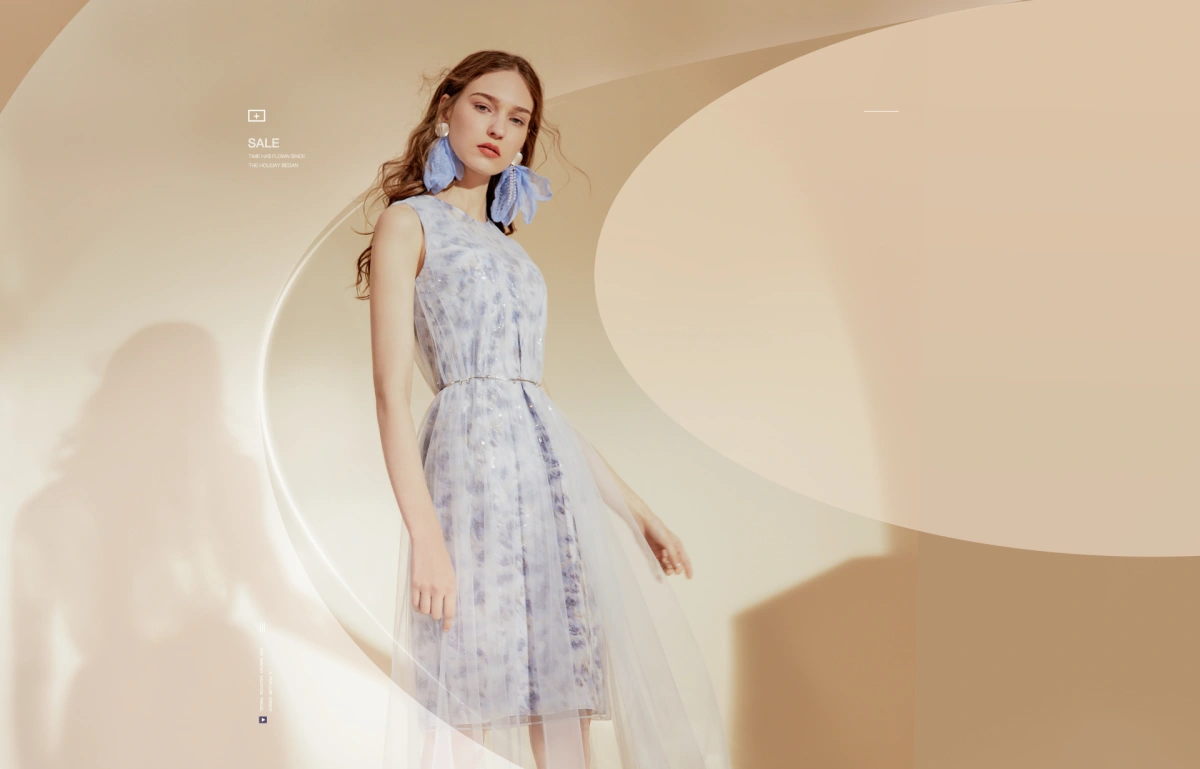
An expensive looking dress isn’t defined by price, but by how it fits, feels, and moves with the body. Thoughtful tailoring, balanced proportions, and quality materials are what give a dress a refined, high-end appearance—without relying on a high price tag.
Remove the brand label, how much texture does your dress still have?
When it comes to whether a dress is “high-end”, most people’s first instinct is to consider the brand. But this is by no means an absolute truth. We should not equate the high brand recognition with luxurious texture. Nor should we assume that small-scale brands or unbranded clothing must be of poor quality. In fact, the sense of high-end of a dress is determined by multiple factors.
Many women believe that skirts exude elegance because of the brand. However, the truth is often the opposite. After removing the brand logo and price tag, what remains are the craftsmanship level, proportion control, and the fit and movement effect of the skirt when worn.
This is why some dresses can instantly exude an elegant aura when worn, while others, despite their high prices, still fail to achieve this quality. To dress with an elevated sense of style, it’s not necessary to spend a fortune. In fact, as long as you master a few clever techniques and principles, you can easily enhance your dressing taste without spending a lot of money.
Next, we will delve into the following topic: What are the key elements that make a dress appear luxurious and premium, while its actual price is much lower than what you expected?
I、Fabric: The first intuitive indicator of quality, laying the foundation for an elevated look
The fabric is the most intuitive and fastest way to judge the quality of a dress, and it is also the “foundation” that gives an item an elevated look. The texture inherent in high-quality fabrics cannot be replicated by any cheap materials. Here are some specific points for judgment and selection:
Give priority to natural fabrics: the delicate luster of silk, the softness and breathability of high-quality cotton, and the refreshing drape of linen. These natural fabrics, when worn, can present a natural texture, avoiding the stiffness and “plastic feel” of synthetic fabrics.
Beware of inferior synthetic fabrics: Avoid low-priced synthetic fibers that feel rough, have a glaring sheen, and poor breathability. Such fabrics not only look cheap but also tend to pill and deform easily, providing a very poor wearing experience.
Pay attention to the drape of the fabric: No matter what kind of fabric it is, the drape is very important – fabric that can naturally fit the body shape and move smoothly without wrinkles is more sophisticated than stiff and inflexible fabric.
Take the dresses of the Greendimple brand as an example. All of its products are made of high-quality fabrics such as silk. “Quality first” has always been the core principle of the brand. Discover our stylish, high-end dresses at accessible prices and explore their premium fabrics in full detail — dive into Greendimple Fashion Premium Dresses, all fully customizable.
II. Activity Freedom: Looser fits are more elegant than tight ones. Both a proper fit and flexibility are essential.
Many people mistakenly believe that “tight-fitting = high-end”, but in fact, they have fallen into the trap of clothing styling. The true sense of sophistication comes from the well-fitted cut and the unrestrained flexibility. The key points include:
A good dress is not about being tight, but about fitting well. Avoid excessive tightness and opt for a “loose yet not saggy” style to allow the body to breathe freely. At the same time, match the cut according to your body shape, such as an A-line skirt to shape an apple-shaped figure, and a mid-to-high waist straight skirt to balance the proportions. Only in this way can you truly exude an elegant look.
The key to a well-fitted and fluid design lies in the proportion and balance of the cut. Several details must be paid attention to:
The sophistication of a dress depends on whether the proportions are accurate: the shoulder line should fit naturally to the natural shoulder peak, the waistline should not be too high or too loose, the length of the skirt should match the figure and be smooth and neat, and only then can the overall look be delicate and composed.
III. Printing Layout: Details Determine Texture Quality. Choosing the Right Printing Enhances Sophistication.
A printed dress looks refined not because of complex patterns, but because of thoughtful layout and balance. Well-planned printing enhances sophistication, while careless design quickly lowers the perceived quality.
Keep Patterns Clean and Controlled
Avoid overly large, highly saturated, or chaotic prints. These designs easily overwhelm the silhouette and make a dress feel visually heavy and inexpensive.
Simple patterns work better. Small florals, subtle stripes, or minimal graphic elements add interest without dominating the look. Localized printing—especially around the upper body—feels more intentional than full-coverage designs.
Match Prints to the Body Shape
Pattern direction plays a key role in how a dress flatters the figure. Vertical patterns help elongate the body and suit petite frames. Horizontal patterns require careful control of width and spacing to avoid adding bulk. Asymmetrical prints should remain balanced and restrained, never distracting from the overall silhouette.
Print Placement Matters More Than You Think
Beyond pattern choice, placement reveals the true quality of a printed dress. Poor execution in these areas immediately cheapens the result.
Avoid cutting prints abruptly at seams. Breaks at the waist, shoulders, or cuffs signal careless construction and disrupt visual flow. Prints should align smoothly across panels to maintain continuity.
Equally important is print accuracy. Misaligned or distorted prints—especially around the neckline or hem—create an instant impression of low quality. Even the most beautiful design loses its value if execution is flawed.
IV. Comfort: A Subtle Signal of Luxury, True Elegance Lies in Freedom and Ease
Comfort is the most easily overlooked “code for sophistication”. A dress that exudes sophistication must be both “attractive and easy to wear”. The core lies in these aspects:
A comfortable dress should be friendly to the body: the fabric should be soft and non-irritating to the skin, without causing any tightness when worn, allowing for free movement. It should also maintain good breathability, not making the wearer feel stuffy even after wearing it for a long time, so as to truly achieve both comfort and elegance.
High-quality dresses usually pay special attention to the comfort details. These small details can be given particular emphasis:
Details determine the wearing experience: High-quality linings are soft and non-transparent, do not ball up, the stitching is smooth and fits the skin without causing irritation. Elastic designs are reasonably added in the areas that require movement to ensure both fit and comfort.
V. Finishing Touches: The Sophisticated Feel Hidden in the Sewn Edges, Details Reveal the Truth
The true sense of sophistication lies in the unnoticeable finishing details. Cheap dresses often skimp on details, while high-quality dresses will go the extra mile and pay close attention to these points:
The stitching is neat and flawless: The stitches at the neckline, cuffs, and hemline are uniform and smooth, without loose thread ends, no skipped stitches, no double stitches, and every single stitch is clear and well-organized.
We craft exquisitely finished hems: we use premium hemming techniques on every skirt hem, for flawlessly smooth, neat edges that stay fray-free and wrinkle-resistant. When walking, it naturally drapes down without appearing rough.
High-quality hardware components: Hardware items such as zippers and buttons have a thick texture and uniform luster. Our zippers glide seamlessly with no sticking, and our buttons are securely fastened to prevent any loosening.
1、Check the proportion of the cut: the shoulder line should be aligned, the waistline should fit well, and the length of the skirt should be suitable for the body shape.
2、Pay attention to the layout of the prints: Avoid styles with abrupt cuts at the seams and disordered patterns;
3、Ensure comfort in the fit: The lining is soft and smooth, the zippers are smooth and there is no constraining feeling.
4、Carefully examine the finishing process: The stitching is neat, there are no loose thread ends, and the hardware has a good texture.
It’s worth exploring the dress collection designed by Greendimple. Each piece reflects the principles discussed above, from fabric selection to tailoring and finishing details. By focusing on balanced silhouettes, comfortable fits, and refined construction, Greendimple creates dresses that look polished without relying on high price tags. Whether for everyday wear or special occasions, these designs show how thoughtful craftsmanship can elevate both comfort and style.